

Rubber hoses: which hose for which application?
Fuel, water, air, gas or high temperatures – choose the right hose by material, temperature and pressure.
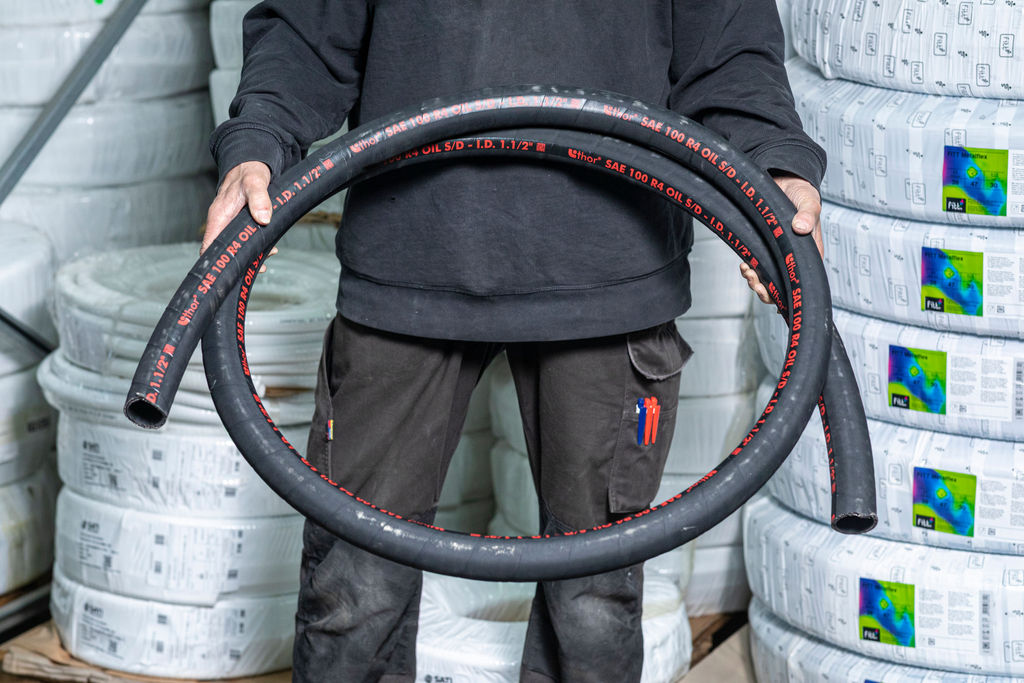
A hose looks like a simple product, but the wrong choice costs money and can be dangerous. A water hose that is not diesel-resistant quickly becomes hard and starts leaking. A PVC hose on a warm cooling water line softens and collapses. In this guide you will learn what to look for, which rubber types exist and which hose to use for fuel, water, compressed air, gas and high temperatures.
You will find the full range in our hoses category.
In this article
1. What to look for when choosing a hose
Five questions determine which hose you need:
- Medium: what flows through the hose? Diesel and oil require a different rubber than drinking water or compressed air.
- Temperature: of both the medium and the surroundings, for example in an engine bay.
- Pressure or vacuum: a pressure hose must handle the working pressure; a suction hose must not collapse. Hoses with a steel helix are suitable for suction.
- Environment and standards: on board, different requirements apply than in a workshop, such as ISO 7840 for fuel hoses in boats.
- Inner diameter: it must fit the hose tail. The outer diameter determines which hose clamp you need.
2. Rubber types and plastics explained
The material of the inner wall determines what a hose can withstand. The outer cover protects against weather, abrasion and external oil.
NBR
Nitrile rubber. Resistant to oil, diesel and petrol. The standard for fuel and oil hoses.
CR
Chloroprene (neoprene). Good resistance to weather, ozone and oil, often self-extinguishing. Widely used as outer cover.
EPDM
Excellent resistance to hot water, steam, weather and UV. Ideal for cooling and hot water. Not suitable for oil or fuel.
NR/SBR
Natural rubber and SBR. Flexible and abrasion-resistant; for compressed air and water in construction, industry and garages.
PVC
Light, often transparent and economical. For cold water and low pressures; softens with heat (usually up to approx. 60 °C).
Siliconen
Resistant to high temperatures: our BlueJay hoses up to 177 °C, RedJay up to 260 °C. For turbo, intercooler and cooling lines.
3. Fuel and oil hoses
For diesel, petrol and oil you need an NBR inner wall. Our range includes:
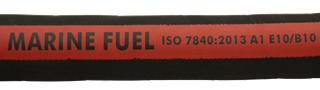
- Fuel hose ISO 7840 A1 – NBR inner wall with self-extinguishing CR/NBR cover, –20 to +80 °C. For fuel lines on board.
- SAE 100 R4 oil and cooling water hose – with steel helix for suction and delivery, up to 100 °C.
- Oil and petrol resistant pressure hose (NBR, up to 20 bar) and a metal-braided version for harsh conditions.
- Diesel exhaust hose with steel helix (ISO 13363) for the wet exhaust of water-cooled diesel engines.
On board: always use a hose to ISO 7840 for fuel. Class A1 is fire-resistant and suitable for the engine compartment.
4. Water hoses: cold, hot and drinking water
- Cold water: PVC hoses such as the clear hose, Delphinus or the PVC suction/delivery hose are light and economical.
- Drinking water: choose a food-grade hose such as Fitt Pure (TPE).
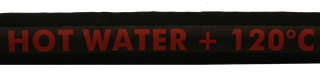
- Hot and cooling water: EPDM is the best choice here. The hot water hose and Radiacord handle –40 to +120 °C; the boiler hose has an odour- and taste-free inner wall.
- Deck wash and outdoor use: the EPDM deck wash hose is UV and weather resistant.
5. Air and compressed air hoses
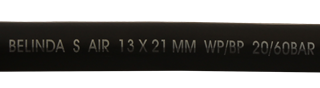
- Belinda – NR/SBR rubber, up to 20 bar, –20 to +80 °C. The robust choice for construction, industry and garages.
- PVC compressor hose and PU hose (Refittex PU, 20 bar) – light and flexible for workshops and tools.
- Parallax Neo (chloroprene, up to 135 °C), Air condition/HT and the L.D.A. extraction hose (up to 180 °C) – for ventilation, hot air and fume extraction.
6. Gas, sanitation and high temperatures
- Gas: only use an approved gas hose for propane and butane. Check the date on the hose and replace it in time.
- Sanitation: for toilets and waste water tanks on board you need an odour-proof hose such as the FITT Diamond. Read more in our Fitt Diamond blog.
- High temperatures: silicone elbows and reducers (BlueJay up to 177 °C, RedJay up to 260 °C) for turbo, intercooler and cooling systems.
7. Selection table: which hose for which application?
Diesel and petrol on board
Fuel hose ISO 7840 A1 (NBR/CR).
Oil suction and delivery
SAE 100 R4 with steel helix.
Cooling and hot water
EPDM: hot water hose or Radiacord (up to 120 °C).
Drinking water
Fitt Pure, food-grade.
Compressed air
Belinda (NR/SBR) or PU hose up to 20 bar.
Wet exhaust
Diesel exhaust hose ISO 13363.
Turbo and intercooler
Silicone BlueJay or RedJay.
Toilet and waste water
FITT Diamond, odour-proof.
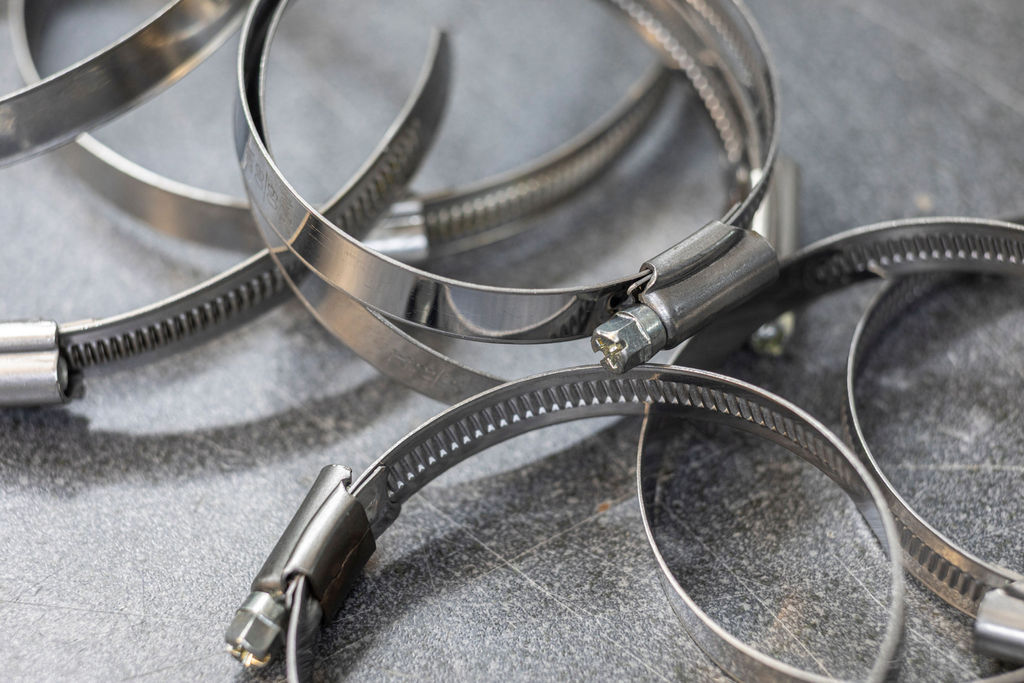
Don’t forget the clamp: a hose is only as reliable as the clamp that holds it. Read our hose clamp guide.
8. Frequently asked questions
Which rubber hose is resistant to diesel?
A hose with an NBR (nitrile) inner wall. For fuel lines on board, choose a hose to ISO 7840 A1. Never use an EPDM or PVC water hose for diesel.
What is the difference between EPDM and NBR?
EPDM is excellent against hot water, steam, UV and weather, but not against oil and fuel. NBR is oil and fuel resistant, but less resistant to UV and ozone. That is why many fuel hoses have a CR outer cover.
Which hose should I use for hot or cooling water?
An EPDM hose such as the hot water hose or Radiacord (–40 to +120 °C). PVC hoses are usually only suitable up to about 60 °C.
How do I determine the right hose diameter?
The inner diameter of the hose must match the outer diameter of the hose tail. Measure the tail and choose the same size; use the outer diameter of the hose to select the right clamp.
Not sure? Our technical experts are happy to help you find the right hose for your application.
Read also
Related products
Cable calculator
Which cable size do I need?
Enter voltage, current and length and instantly see the right battery cable and cable lugs.
Rubber profiles
From stock or made to measure
Can't find your profile? Then we'll have it made. Through our sister company DG Rubber Profiles we also supply custom profiles, made to your drawing or sample.
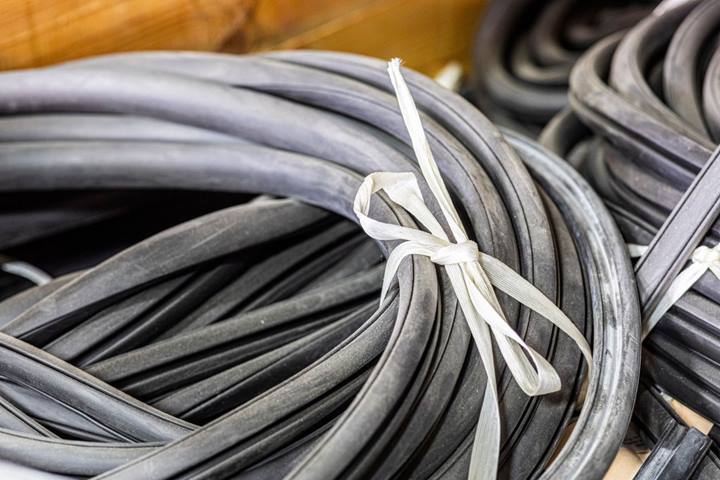

Standard profiles at DG Rubber Holland
- Window rubber, sponge rubber, cellular rubber, self-gripping profiles and bumper strips
- Ordered before 14:00, usually delivered the next working day
- Order online straight away at your own prices

Custom work through DG Rubber Profiles
- Profile to your drawing, sample or idea
- Over 4400 dies, own production in the Netherlands
- In TPE, EPDM or silicone, in small and large series
- 1Drawing or sample
- 2Advice and quote
- 3Production and delivery
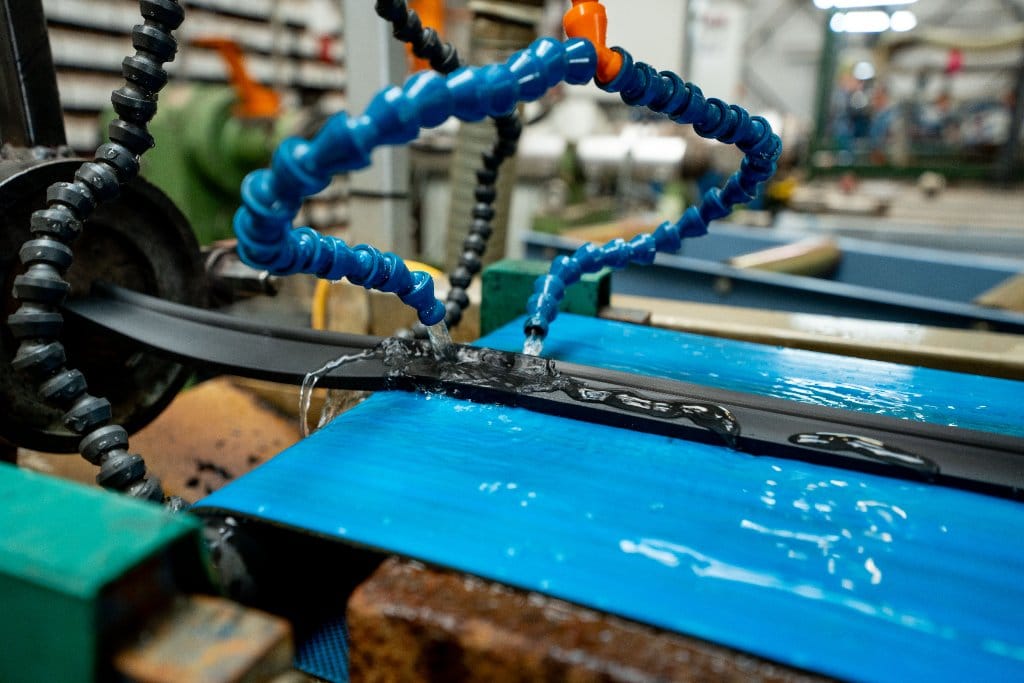
Need advice for your project?
Contact our technical experts. In urgent cases we will help you as quickly as possible.
