
Differences in fittings
Discover the versatile world of fittings in the maritime industry.
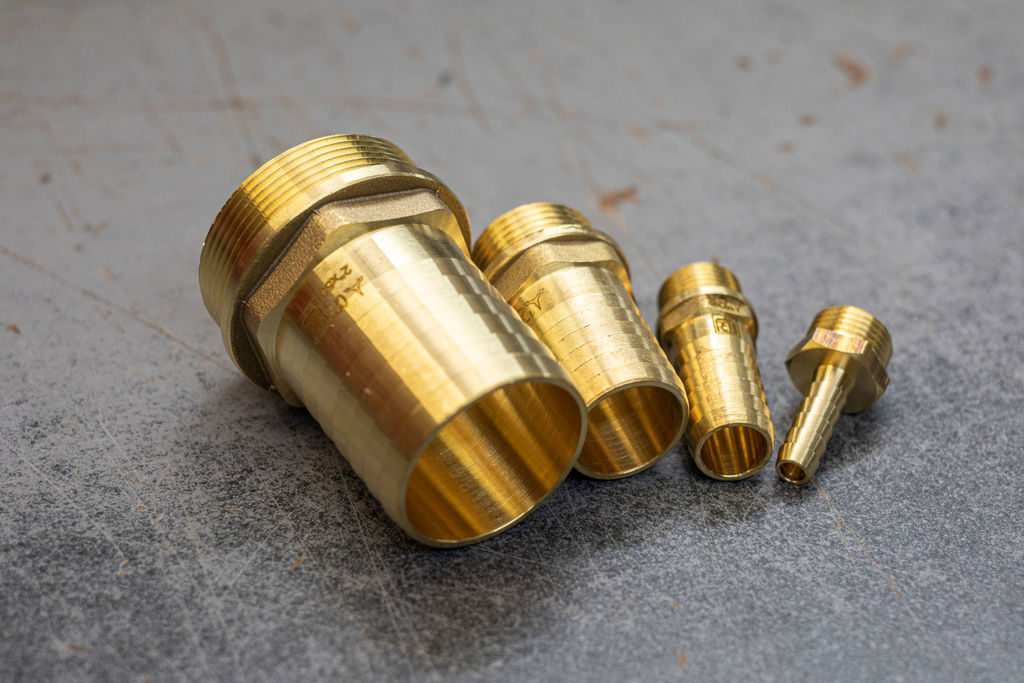
When building a vessel or vehicle, fittings play a crucial role in the design and construction of various systems and components.
Fitting components are widely used as connectors for piping, water, cooling water, fuel and hoses on board a boat or inside a vehicle, providing durability and reliability.
Methods
Casting
Filling a mould with hot liquid.
Hot pressing
Shaping by means of heat and pressure.
Turning rod
Turning on a lathe for a smoother finish.
Most common types of fittings
- Reducer / double nipple: used to connect pipes or fittings.
- Elbow: used to create a 45° or 90° bend between pipework or fittings.
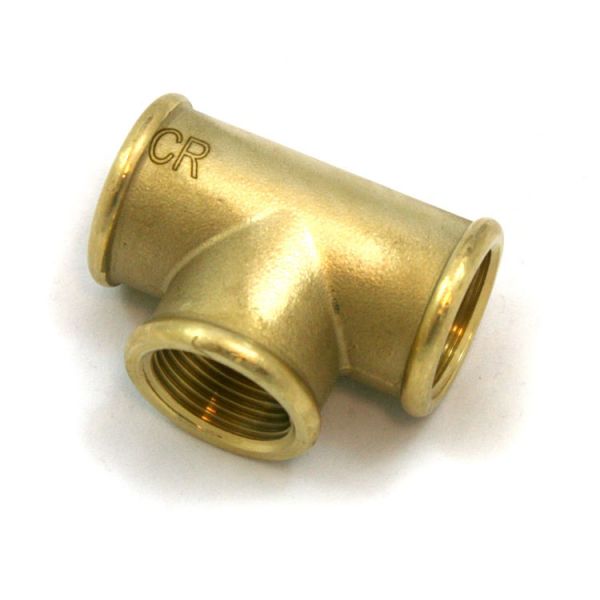
- T-piece: used to create a branch between pipes or fittings.
- End cap: used to close off a water pipe.
- Socket: used to connect two male-threaded pipe ends.
- Hose tails and hose connectors: the simplest method for mounting a hose.
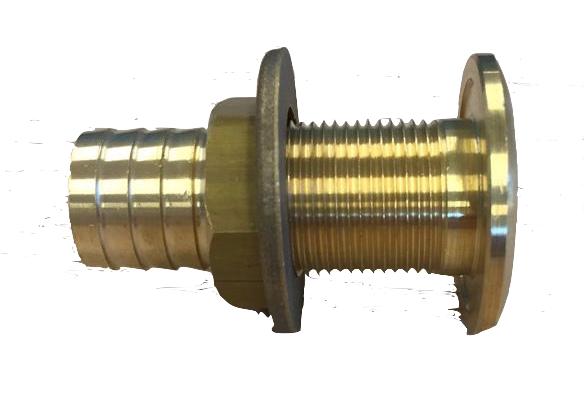
- Couplings, connector nuts, reducer rings, thru-hull fittings and caps.
In this article, we focus on three commonly used types of fittings in the marine industry: bronze fittings, brass fittings and CR fittings. We discuss the characteristics, applications and advantages of each type.
Bronze fittings
Bronze is an alloy consisting of copper and tin. It has been used in the maritime sector for centuries due to its durability and corrosion resistance. Bronze fittings are commonly used in systems where seawater comes into contact with components, such as cooling systems, pumps and valves.
Some advantages of bronze fittings
- Excellent corrosion resistance: bronze is highly resistant to saltwater corrosion and has a longer lifespan than some other materials.
- Strength: it is a strong alloy and in practice has the same working pressure as brass: 40 bar up to 1”, 25 bar from 1 1/4” to 2”, and 16 bar up to 5”.
- Formability: bronze is easy to process and can be shaped into complex forms.
- Not protected against oxygen: because the copper can come into contact with oxygen, a green oxide layer may form.
Brass fittings
Brass is an alloy of copper and zinc and is widely used in the maritime industry due to its good mechanical properties and aesthetic appeal. Brass fittings are often used in interior and exterior applications on vessels, such as railings, handles and decorative elements.
Some advantages of brass fittings
- Corrosion resistance: brass offers good resistance to corrosion in freshwater. In saltwater, however, zinc can dissolve.
- Appearance: brass has an attractive golden colour and is often used for decorative purposes.
- Machinability: brass is easy to work with and can be milled, drilled and turned.
CR fittings (corrosion resistant)
CR fittings stand for corrosion-resistant fittings and consist of encapsulated zinc. They are widely used in the marine industry due to their excellent corrosion resistance and strength. CR fittings are commonly applied in environments with high corrosion exposure, such as hulls, exhaust systems and tanks.
Some advantages of CR fittings
- Corrosion resistance: resistant to corrosion caused by seawater, chemicals and other aggressive environments.
- Strength: CR fittings have high mechanical strength and can withstand significant pressure and stress.
- Low maintenance: requires minimal maintenance.
Our products are made from dezincification-resistant brass (CR), also known as DeZincification Resistant Brass or CR fittings, and are manufactured from a special alloy: CW602N.
Standard brass corrodes between 0.05 and 0.2 millimetres per year, whereas dezincification-resistant brass (CR) corrodes less than 0.02 millimetres per year.
Material rating
On a scale of 1 to 3 (maximum score is 3):
Bronze
- Freshwater
- Saltwater
- Durability
- Strength
- Formability
- Low maintenance
CR fittings
- Freshwater
- Saltwater
- Durability
- Strength
- Formability
- Low maintenance
Brass
- Freshwater
- Saltwater
- Durability
- Strength
- Formability
- Low maintenance
Based on this rating, we can conclude that each type of fitting has its own advantages and applications, depending on the specific requirements of the maritime project.
Frequently asked questions
What is the difference between bronze, brass and CR fittings?
Bronze is an alloy of copper and tin and is highly resistant to seawater. Brass is copper with zinc: easy to machine and attractive in colour, but in seawater the zinc can dissolve. CR fittings are made of dezincification-resistant brass designed to prevent exactly that.
Which fittings are suitable for seawater?
Choose bronze fittings or CR fittings. Both resist corrosion from seawater. We do not recommend ordinary brass in seawater, because the zinc can leach out (dezincification), leaving the material porous and weak.
What is dezincification-resistant brass (CR)?
Dezincification-resistant brass, also called DZR or CR brass, is a special alloy (CW602N in our range) in which the zinc dissolves much more slowly. Standard brass corrodes 0.05 to 0.2 millimetres per year; DZR brass less than 0.02 millimetres.
What working pressure can bronze fittings handle?
In practice bronze fittings have the same working pressure as brass: 40 bar up to 1 inch, 25 bar from 1¼ to 2 inch and 16 bar up to 5 inch. Always check the specifications of the product for your application.
Why do bronze fittings turn green?
Bronze contains copper. When it comes into contact with oxygen and moisture, a green oxide layer (patina) forms. This is a natural surface process and says nothing about the strength or tightness of the fitting.
Which fitting do I use for a bend, branch or reduction?
For a 45 or 90 degree bend you use an elbow, for a branch a tee and for joining different sizes a reducer or double nipple. A socket joins two male-threaded ends, a blanking plug closes off a pipe and with a hose tail you can easily fit a hose.
Read also
Related products
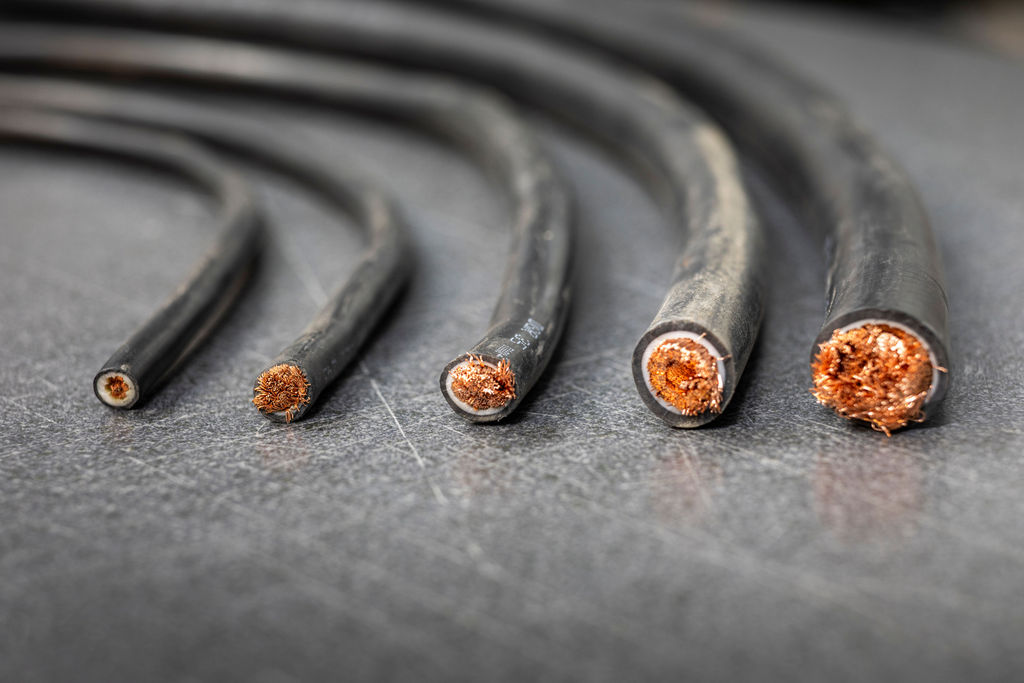
Cable calculator
Which cable size do I need?
Enter voltage, current and length and instantly see the right battery cable and cable lugs.
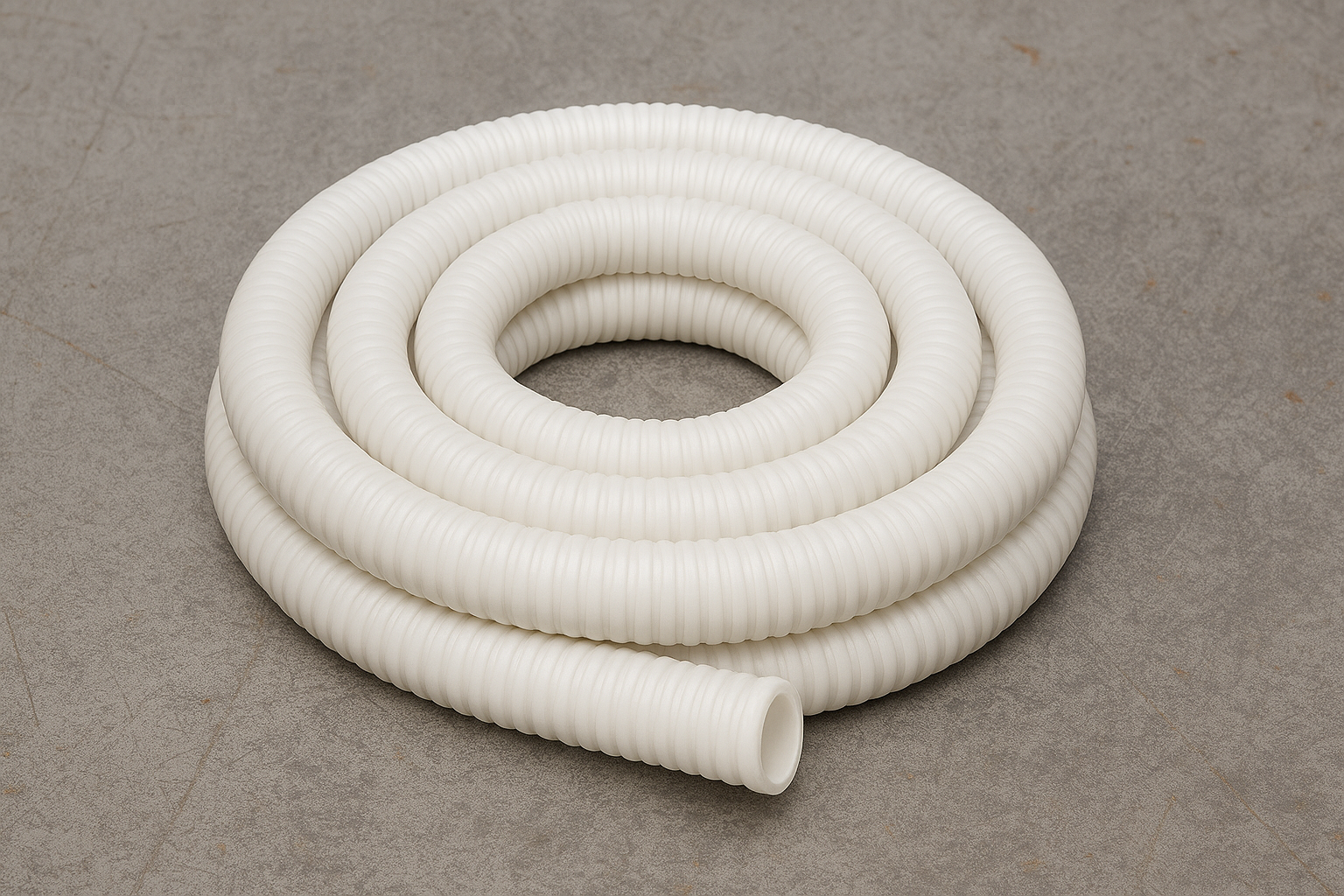
Rubber profiles
From stock or made to measure
Can't find your profile? Then we'll have it made. Through our sister company DG Rubber Profiles we also supply custom profiles, made to your drawing or sample.
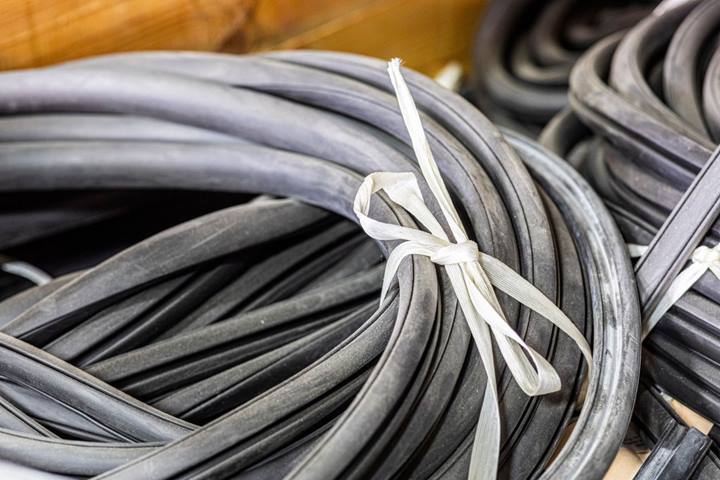

Standard profiles at DG Rubber Holland
- Window rubber, sponge rubber, cellular rubber, self-gripping profiles and bumper strips
- Ordered before 14:00, usually delivered the next working day
- Order online straight away at your own prices

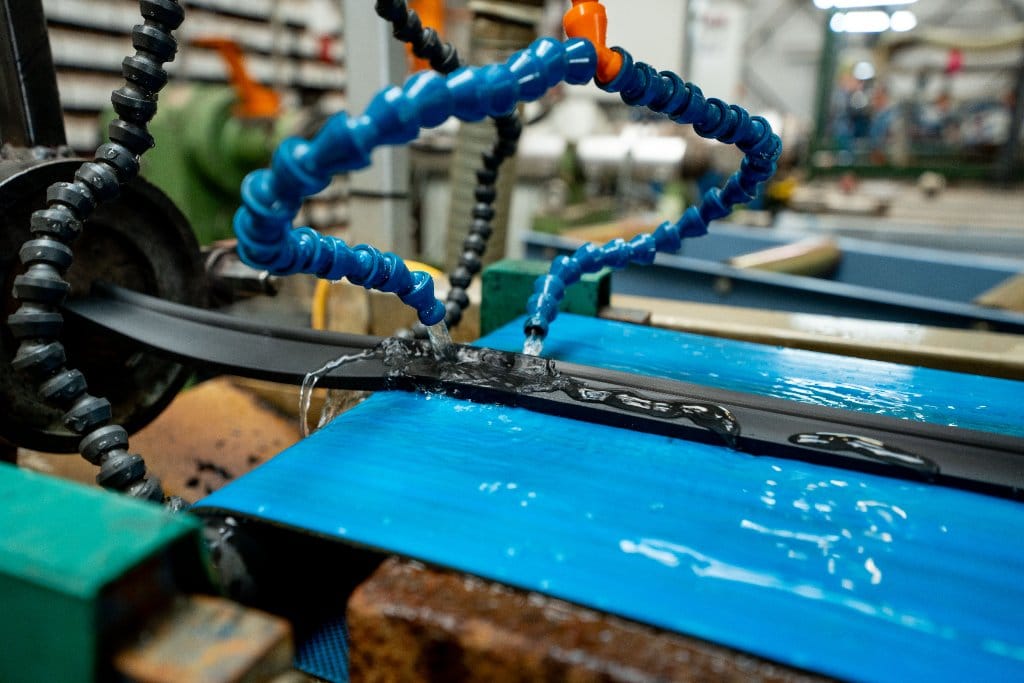
Custom work through DG Rubber Profiles
- Profile to your drawing, sample or idea
- Over 4400 dies, own production in the Netherlands
- In TPE, EPDM or silicone, in small and large series
- 1Drawing or sample
- 2Advice and quote
- 3Production and delivery
Need advice for your project?
Contact our technical experts. In urgent cases we will help you as quickly as possible.
